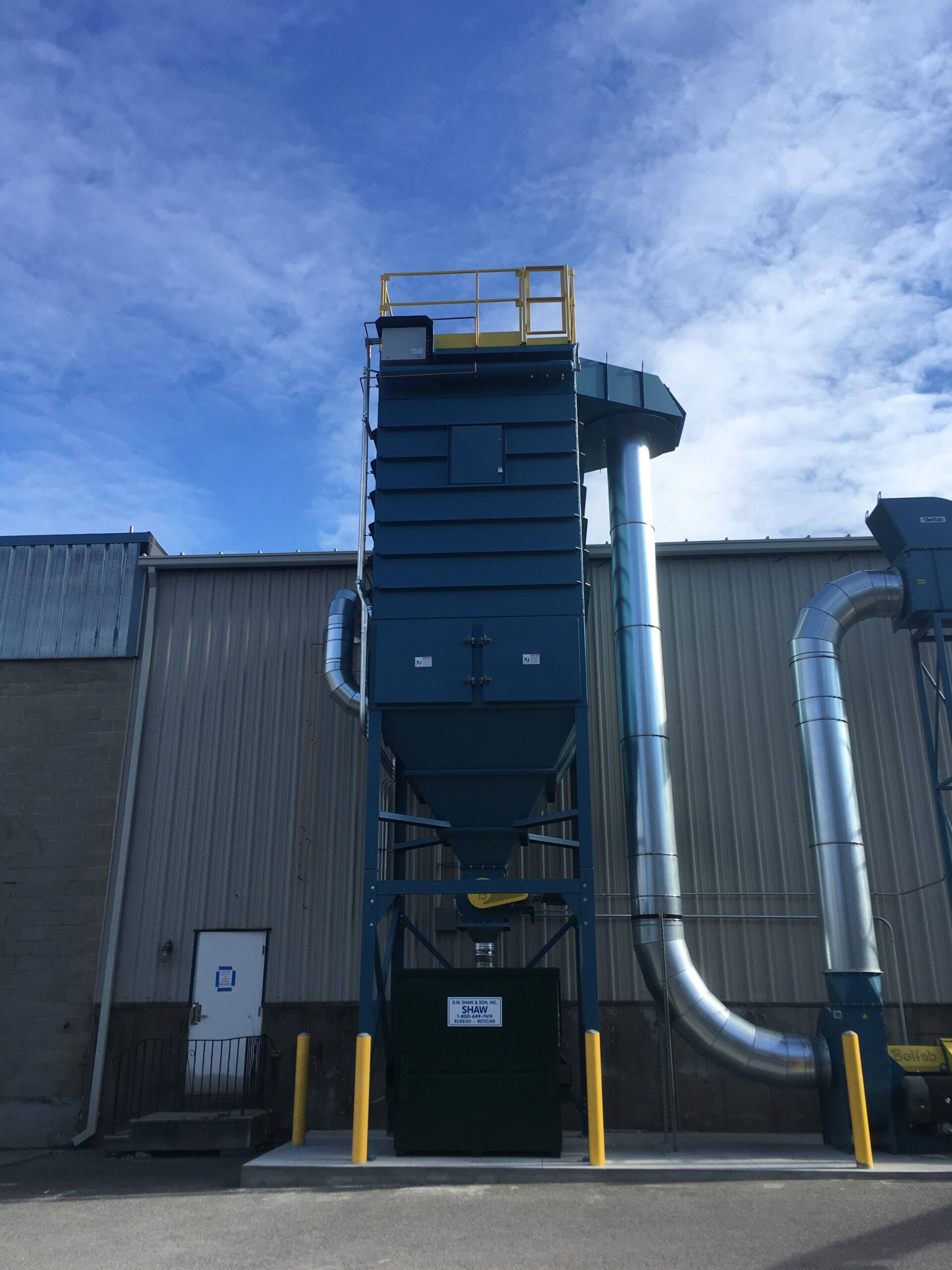
Dust Collector Sizing
Selecting the correct size for your dust collector is a crucial step in ensuring efficient dust management and maintaining a clean, safe workspace. An improperly sized dust collector can result in inadequate airflow, reduced filtration efficiency, and increased maintenance requirements.
To make the right choice, it’s essential to consider various factors:
The first step in sizing a dust collector is determining the required airflow, typically measured in cubic feet per minute (CFM). This figure is based on the volume of air contaminated with dust produced by your machinery. Properly matching the CFM to your application's needs is essential for effective dust capture.
Your ductwork system plays a vital role in dust collection efficiency. Properly designed ductwork should minimize air resistance and maintain consistent airflow throughout the system. The size, layout, and design of ducts should be factored into the dust collector's sizing.
The size and type of dust particles in your application impact the dust collector's efficiency. Fine particles require more filtration area, whereas larger particles may necessitate increased airflow for effective capture.
Consider the number and location of dust collection points in your workspace. Each collection point adds to the total CFM requirement. Ensure that your dust collector can accommodate all collection points simultaneously.
Static pressure, measured in inches of water gauge (WG), indicates the resistance to airflow within your system. It's crucial to size the dust collector to overcome the static pressure generated by your ductwork, hoods, and filters.
The choice of filter media and its efficiency level influences the collector's performance. High-efficiency filters may result in a higher static pressure, affecting the system's sizing requirements.
Ensure your dust collector complies with safety regulations and standards such as NFPA guidelines. These standards may impose certain sizing requirements to ensure safety in your workplace.
Consider potential growth in your production or changes in your dust collection needs. Oversizing the dust collector to accommodate future expansion can save costs down the line.
Sizing a dust collector involves several complex calculations and considerations. It's often best to consult with dust collection experts or manufacturers who can help you assess your specific requirements. They can recommend the right dust collector size, taking into account your application, space limitations, and budget constraints.
Selecting the correct size for your dust collector is pivotal for efficient dust management, worker safety, and regulatory compliance. By thoroughly evaluating your application’s needs and seeking expert guidance, you can ensure the dust collector’s size matches your specific requirements, contributing to a cleaner, safer workspace.