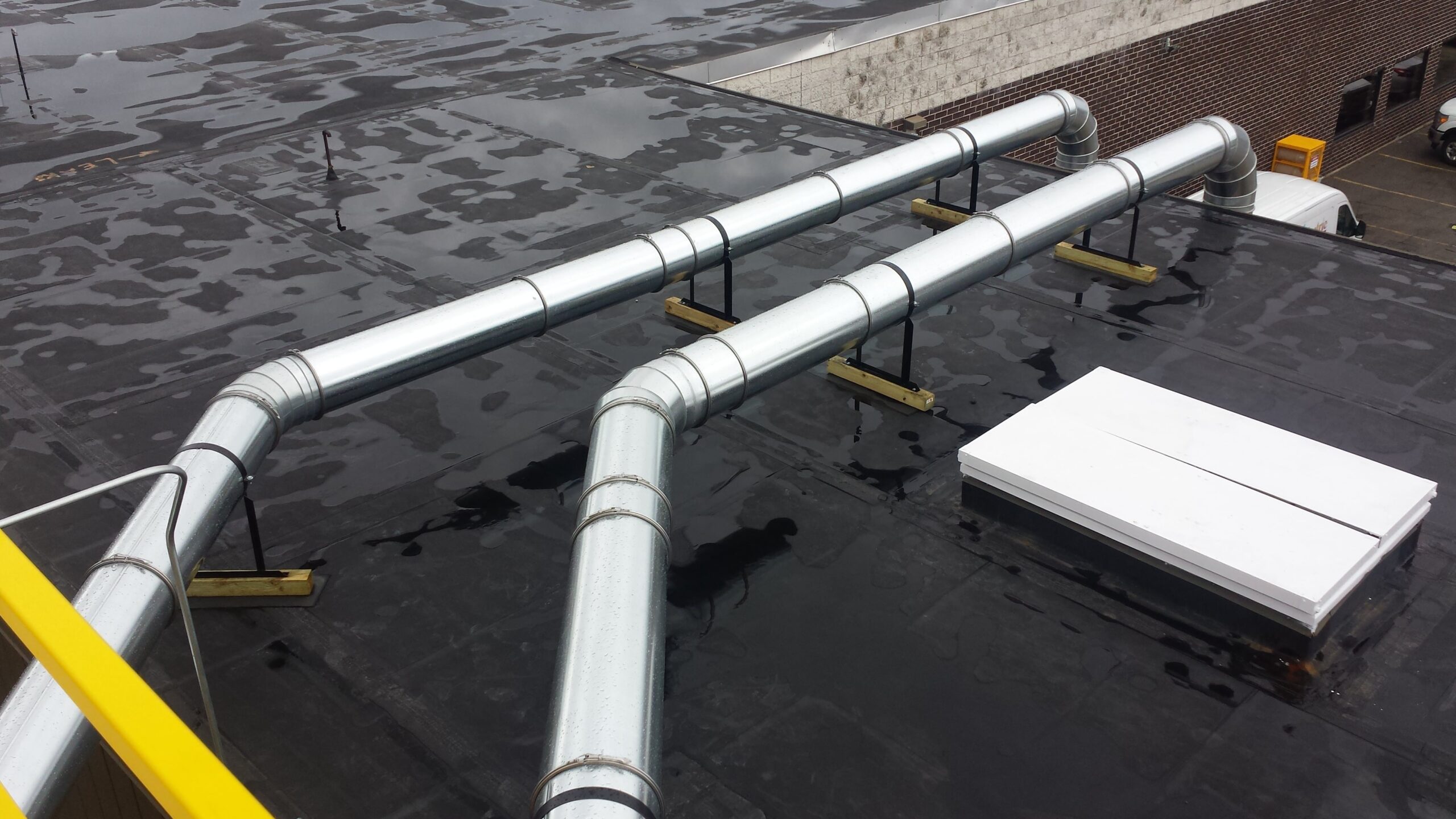
Dust Collector Duct Layout
Designing an effective dust collector duct layout is essential for achieving efficient dust capture and maintaining a clean, safe workspace. A well-planned ductwork system ensures that dust-laden air is properly transported to the collector for filtration, preventing dust from escaping into your facility.
Here are key considerations for optimizing your dust collector duct layout:
Establish a centralized collection point where dust-producing machines are connected to the ductwork system. This central hub simplifies maintenance and allows for efficient dust capture from multiple sources.
Properly size your ductwork to match the required airflow (CFM) for your application. Ensure that ducts are large enough to minimize air resistance, which can decrease the collector's efficiency.
Use straight duct runs wherever possible to maintain a consistent and efficient airflow. Minimize the use of elbows, bends, and branches, as these can create turbulence and reduce efficiency.
Consider the design of dust collection hoods, as they play a crucial role in capturing dust at the source. Hoods should be strategically placed to ensure that dust is captured efficiently.
Maintain the appropriate air velocity within the ducts to prevent dust from settling. The design should ensure that the dust-laden air maintains adequate velocity to carry particles to the collector.
When connecting multiple machines to a single dust collector, design the branching layout to balance airflow. Properly sized ducts and strategically placed blast gates or dampers can help achieve balanced airflow.
Design the ductwork system to prevent dead-end branches, which can lead to dust accumulation and blockages. Proper slope and drainage may be necessary to prevent condensation and material buildup.
Be aware of the static pressure generated by the ductwork, hoods, and filters. Properly size the dust collector to overcome this resistance to maintain efficient airflow.
Ensure that the duct layout allows easy access for inspection, maintenance, and cleaning. Access doors, inspection ports, and quick-release clamps can facilitate these tasks.
mplement safety features in your layout to prevent fire or explosion hazards, especially when handling combustible dust. Compliance with NFPA standards is crucial.
Designing an efficient dust collector duct layout can be complex. Consulting with experts can help ensure that your layout is optimized for your specific needs.
An effective dust collector duct layout is integral to maintaining a clean and safe workspace while achieving efficient dust collection. Proper sizing, design, and layout can prevent dust escape, minimize maintenance, and promote worker safety. Careful planning and consultation with experts are key to a successful dust collector duct system.