Abrasive Blasting
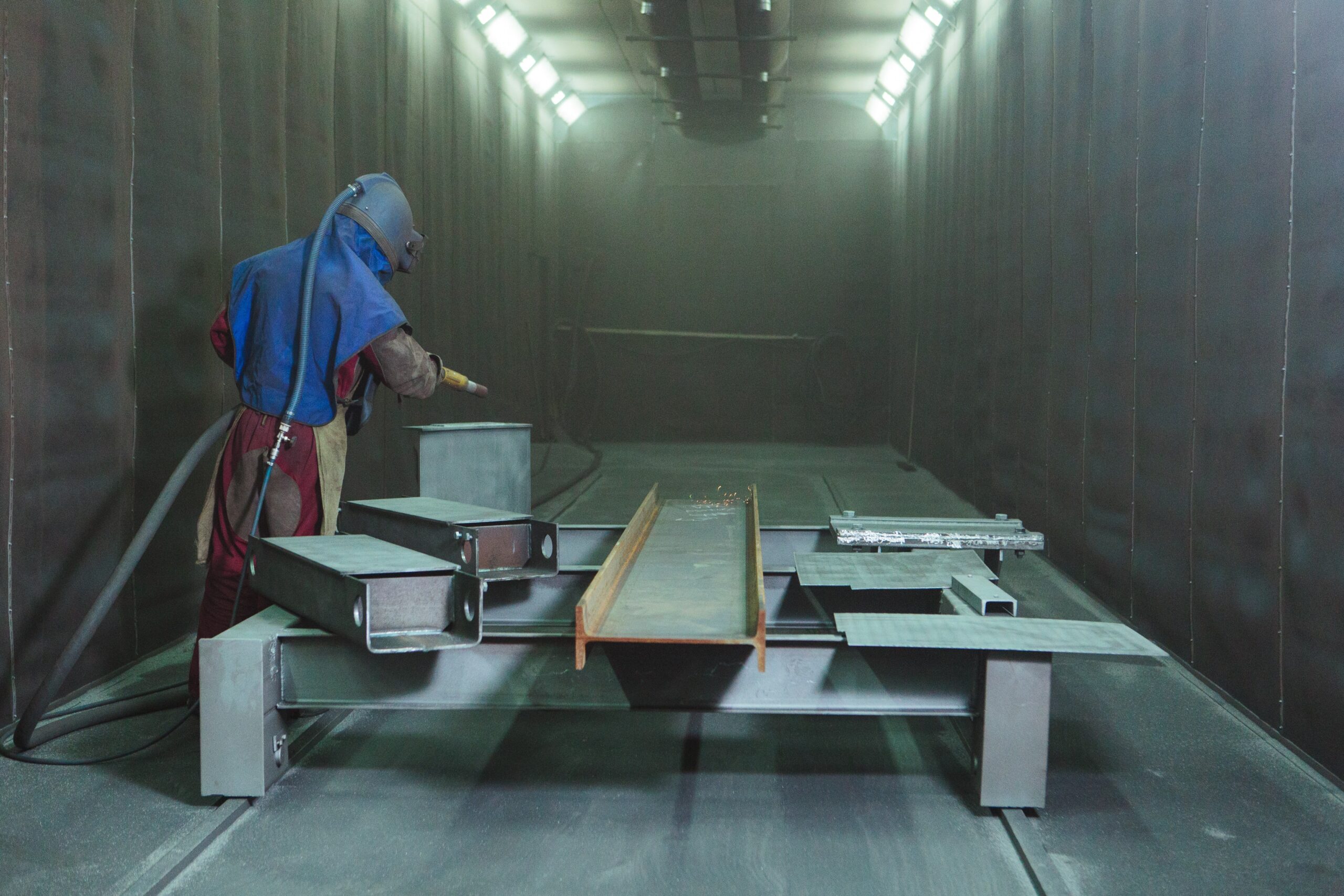
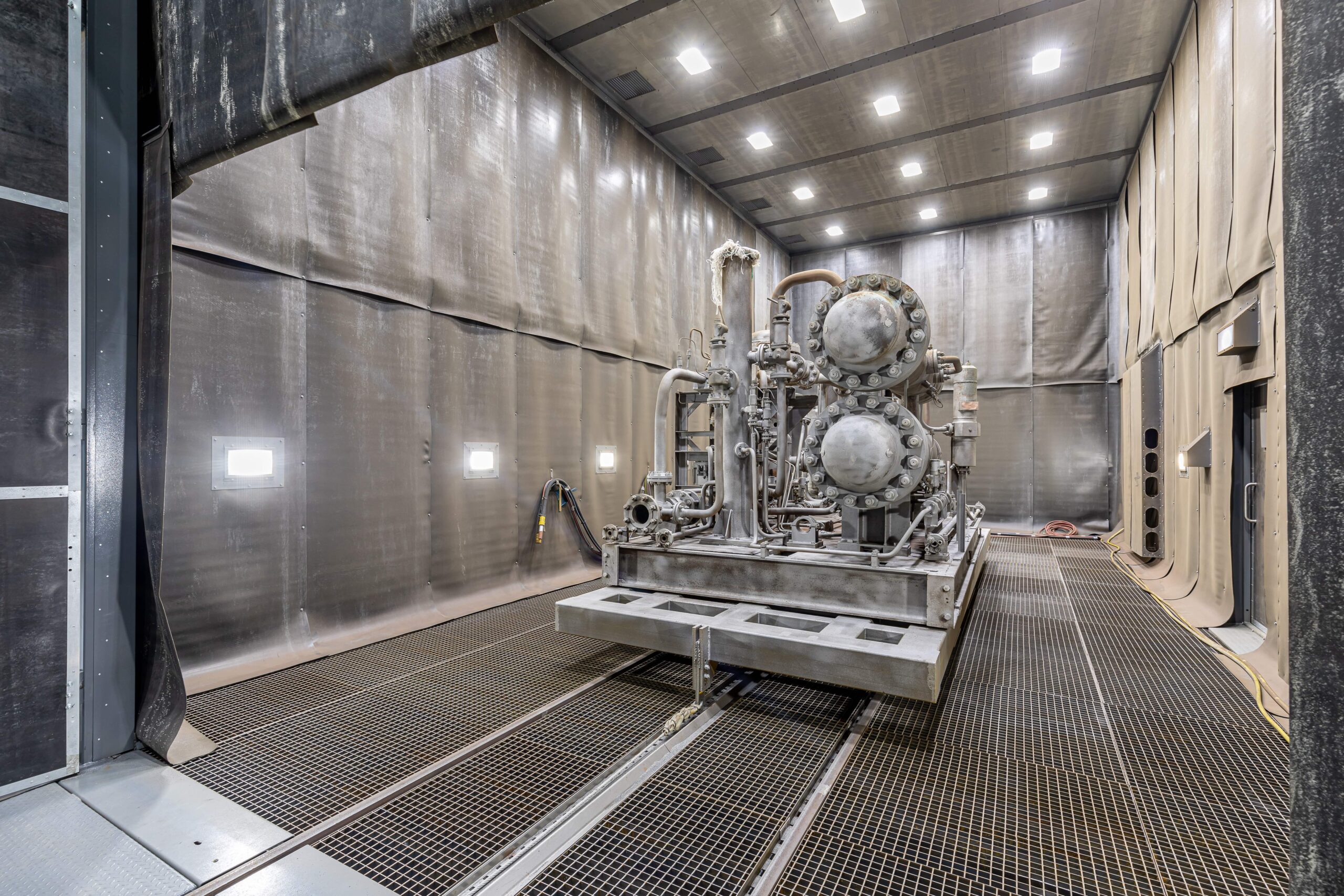
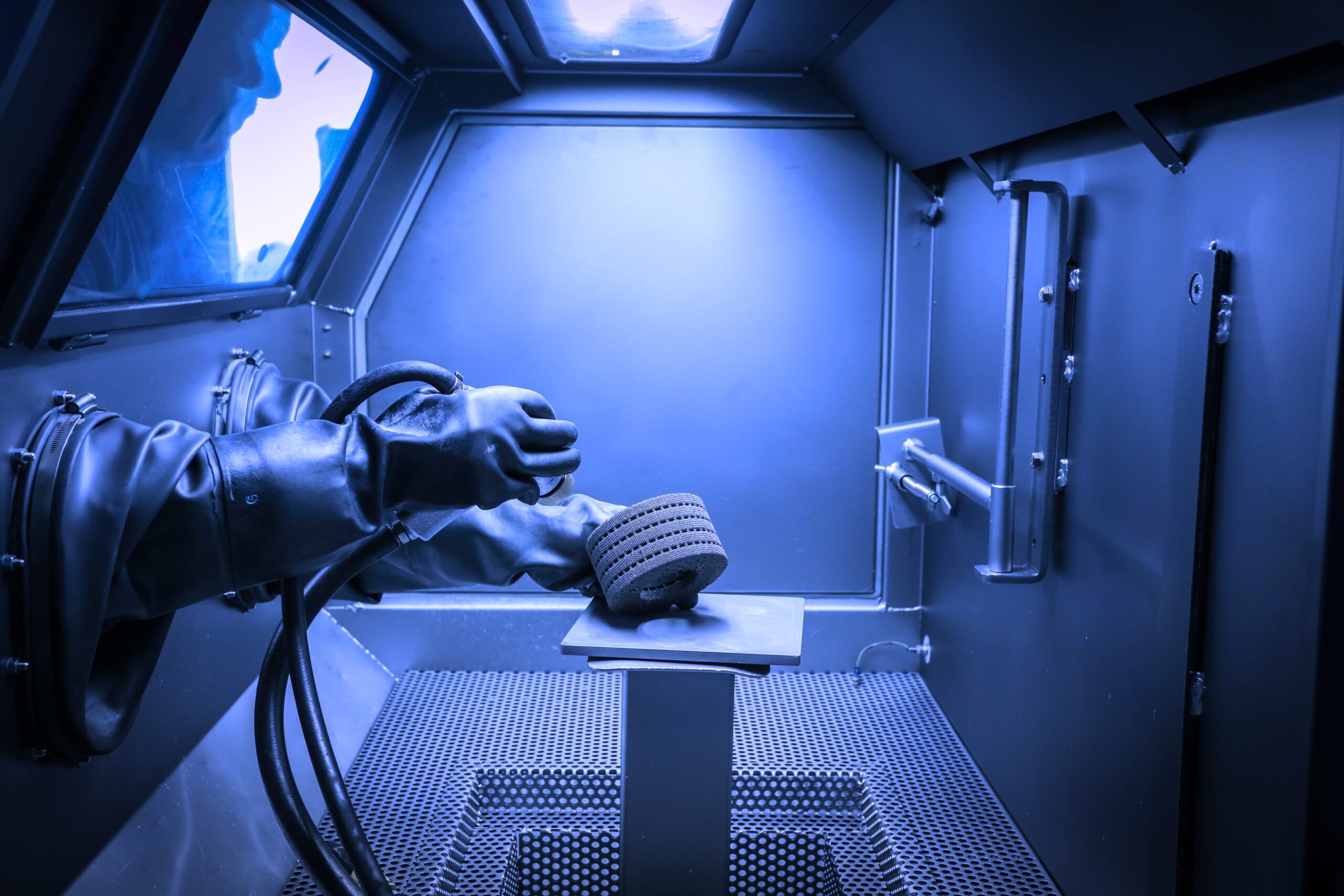
Abrasive blasting, also known as sandblasting or media blasting, is a process used for surface preparation or cleaning of various materials. It involves propelling abrasive materials, such as sand, glass beads, or steel grit, at high speeds onto a surface to remove coatings, contaminants, or to create a desired texture.
During abrasive blasting operations, significant amounts of dust, particulate matter, and potentially hazardous fumes are generated. The specific type of dust and fumes can vary based on the abrasive media used and the materials being treated.
Exposure to abrasive blasting dust and fumes can pose serious health risks if not properly controlled. The inhalation of airborne particles generated during the blasting process can lead to respiratory issues and other health concerns.
The abrasive media itself can generate fine particles that, when inhaled, may cause respiratory irritation, coughing, and difficulty breathing. Additionally, the presence of hazardous substances, such as lead-based coatings or silica-containing abrasives, can further increase the health risks associated with abrasive blasting.
While specific NFPA regulations may not directly address abrasive blasting dust, it is crucial to consider relevant regulations and guidelines to ensure worker safety and environmental compliance.
NFPA 654: Standard for the Prevention of Fire and Dust Explosions from the Manufacturing, Processing, and Handling of Combustible Particulate Solids provides guidance for managing combustible dust hazards, which may apply to certain abrasive blasting operations. Other regulations, such as those from OSHA (Occupational Safety and Health Administration) and local authorities, may also have specific requirements for abrasive blasting operations.
Compliance with these regulations, along with implementing appropriate safety measures and best practices, is essential to mitigate health risks and ensure safe working conditions.
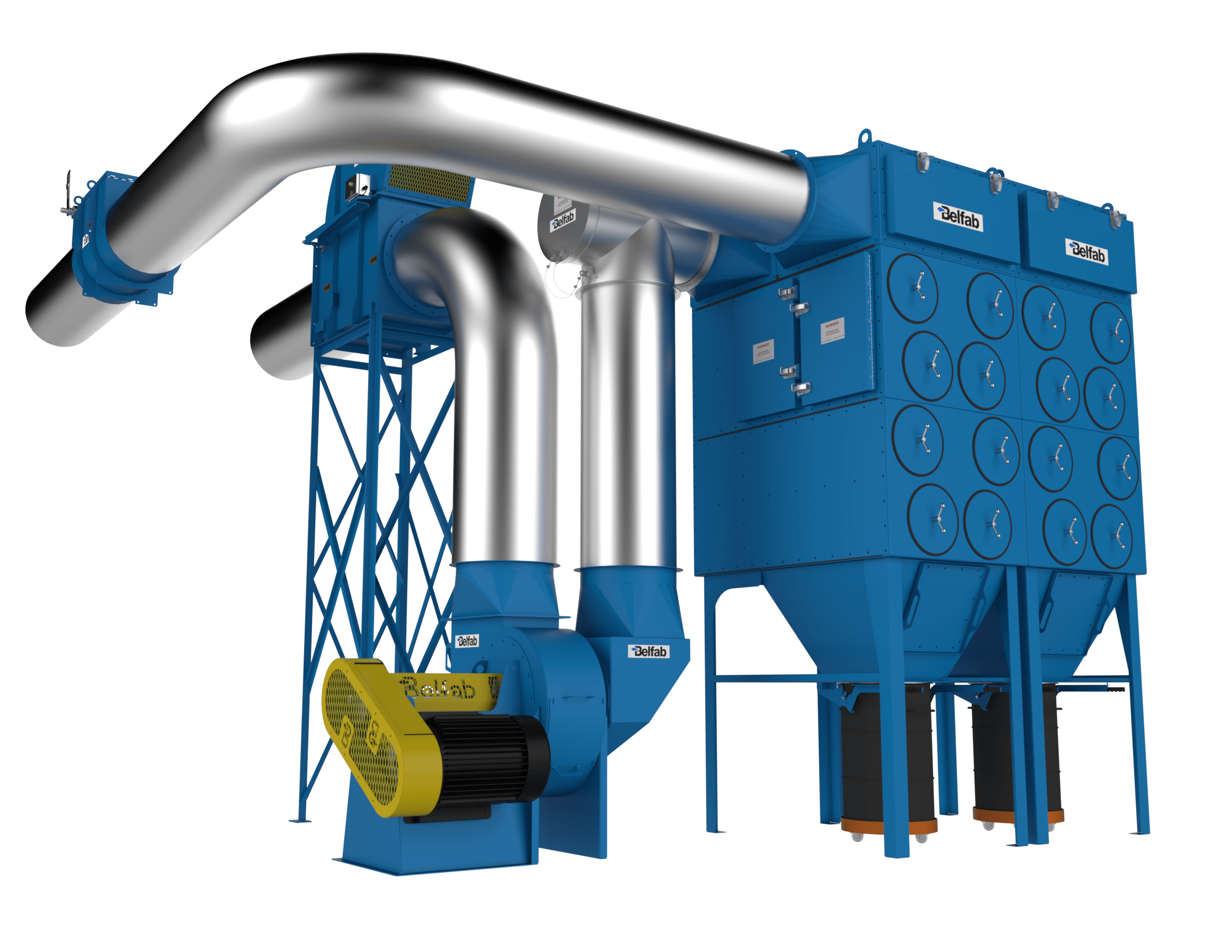
To effectively control and minimize dust and fumes generated during abrasive blasting operations, Belfab offers advanced dust and fume collection systems for abrasive blasting applications.
Our collectors employ powerful suction and filtration technologies to capture and remove dust particles and fumes at the source.
By implementing a Belfab dust/fume collector for abrasive blasting, you can protect the health and well-being of your workers, comply with regulations, and minimize environmental impact.