Woodworking
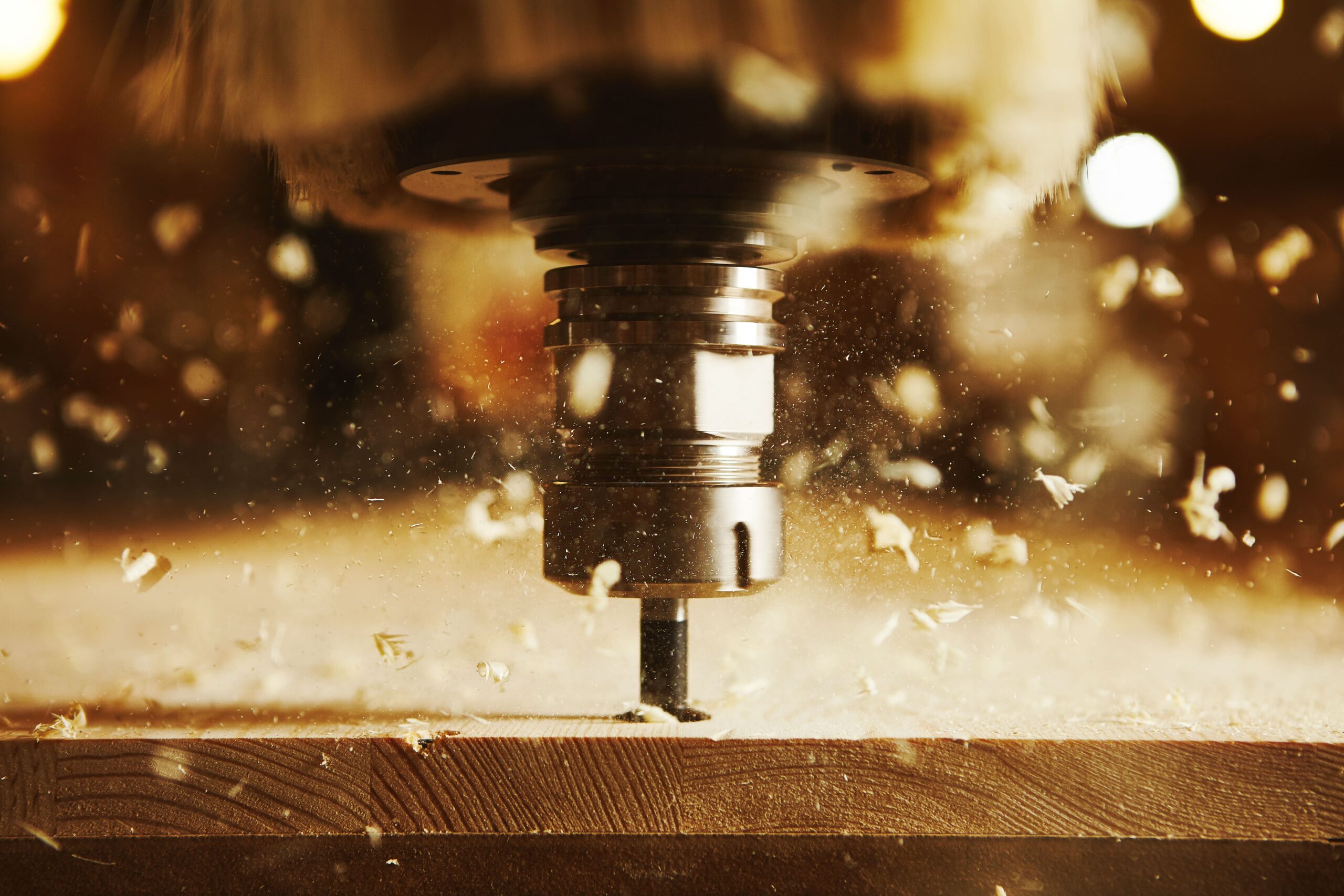
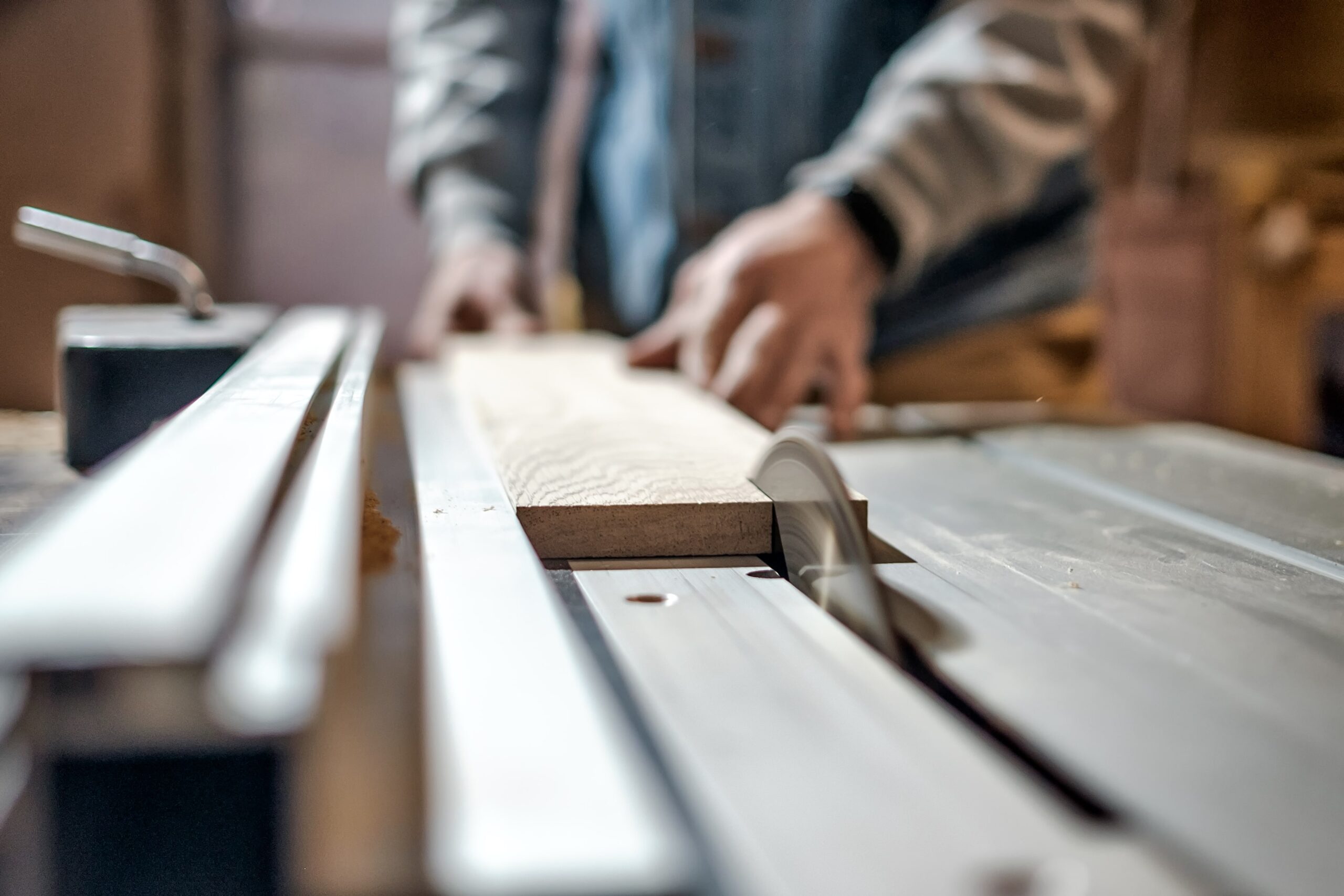

Woodworking encompasses a wide range of activities involving the shaping, cutting, and finishing of wood materials. Whether it's furniture manufacturing, cabinetry, or carpentry, woodworking processes generate a significant amount of wood dust.
Wood dust is produced when wood is cut, sanded, or shaped, and it can vary in size and composition depending on the type of wood being worked on. Fine dust particles are common in woodworking environments and can pose potential health and safety risks if not adequately managed.
Exposure to wood dust in woodworking environments can lead to various health concerns, primarily affecting the respiratory system. Inhalation of wood dust particles can cause respiratory irritation, allergies, and even serious respiratory conditions.
Certain types of wood, such as hardwoods, can release fine dust particles that are more likely to be inhaled deeply into the lungs. Prolonged exposure to wood dust may contribute to the development of respiratory conditions like asthma, bronchitis, and nasal cancer. It is crucial to implement effective measures to control wood dust and minimize the associated health risks.
While specific NFPA regulations do not directly address woodworking dust, there are relevant guidelines that can be applied to ensure safety in woodworking environments. NFPA 664: Standard for the Prevention of Fires and Explosions in Wood Processing and Woodworking Facilities provides comprehensive fire safety recommendations for woodworking facilities.
In addition, it is important to consider other applicable regulations and guidelines, such as those from OSHA (Occupational Safety and Health Administration) and local authorities, to ensure compliance and create a safe working environment.
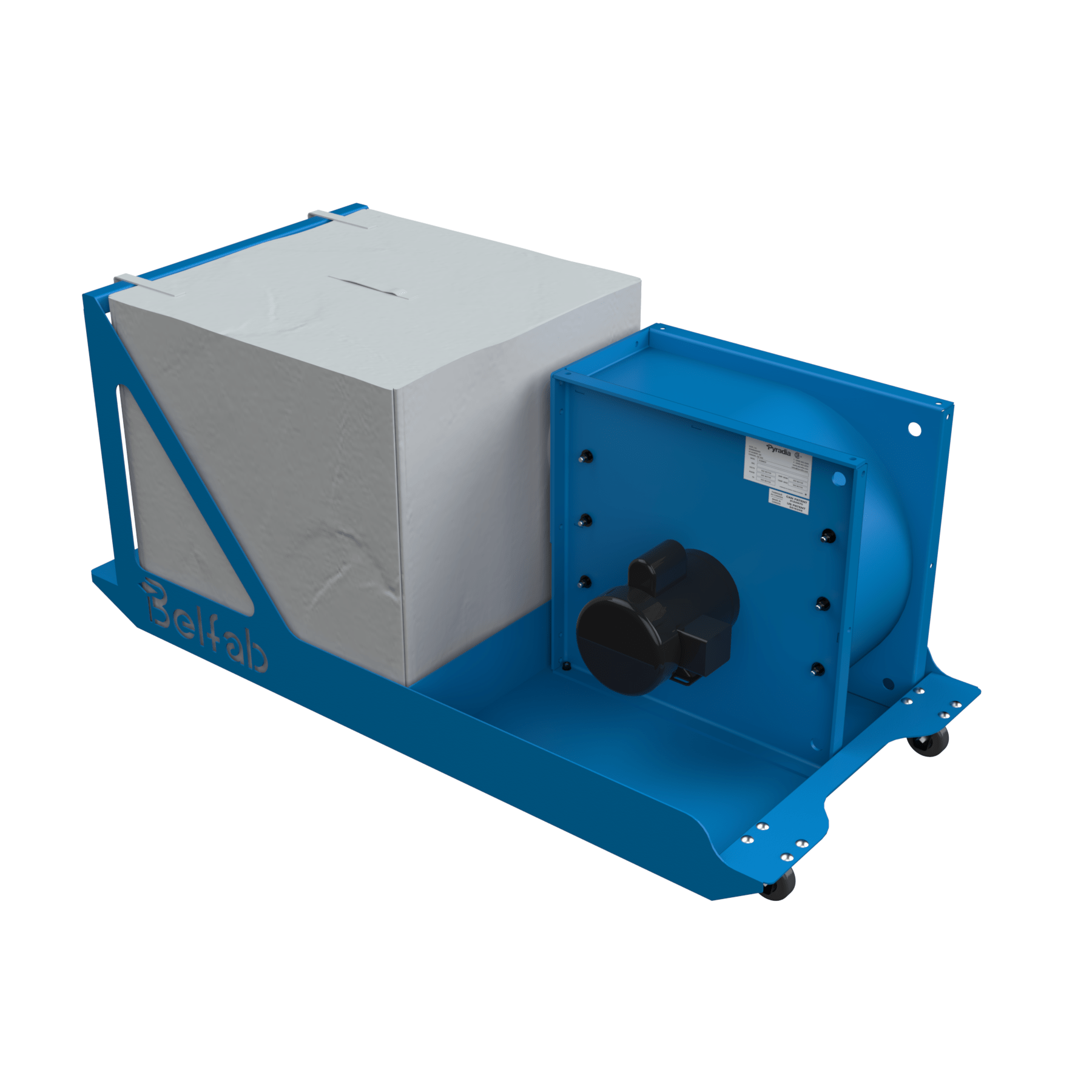
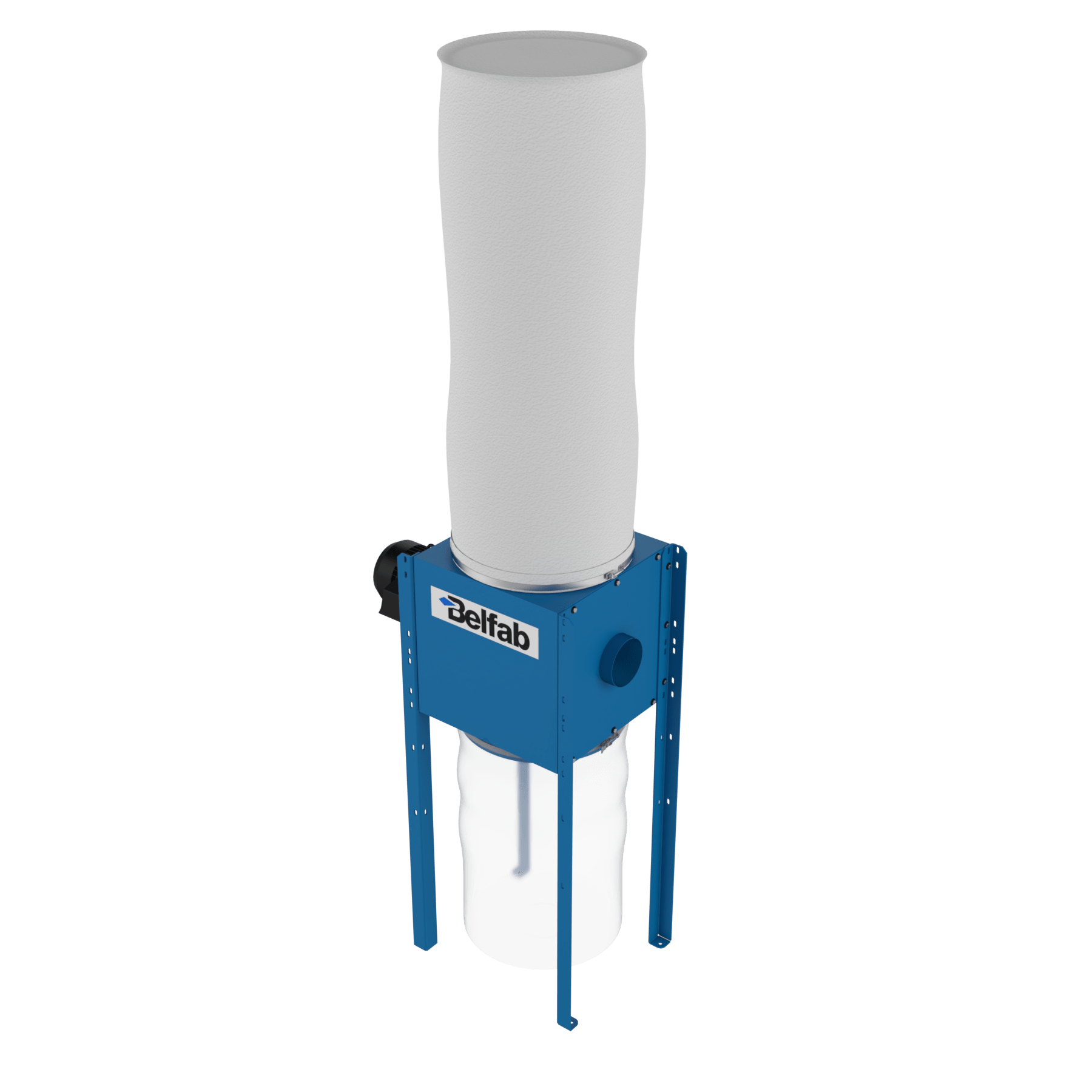
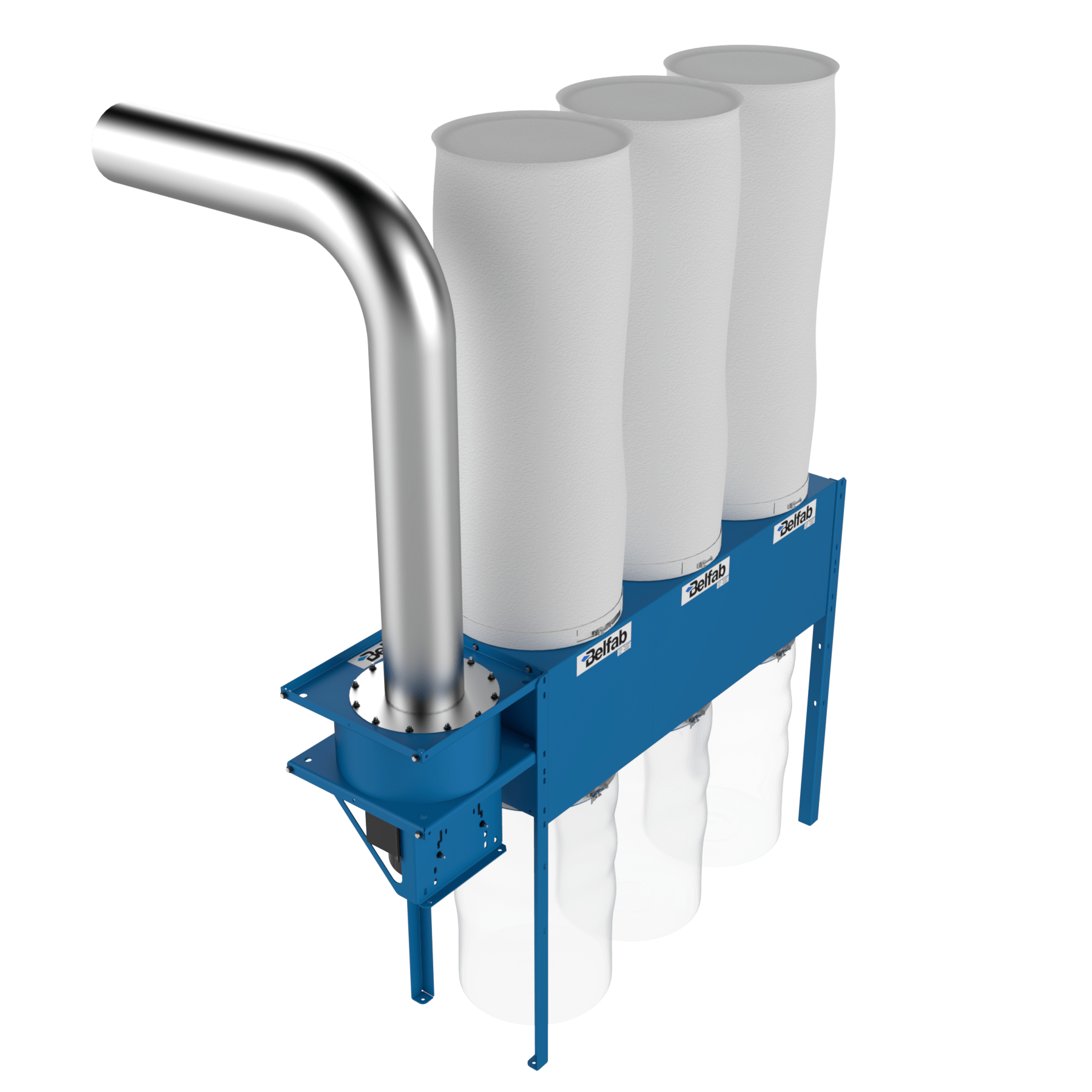
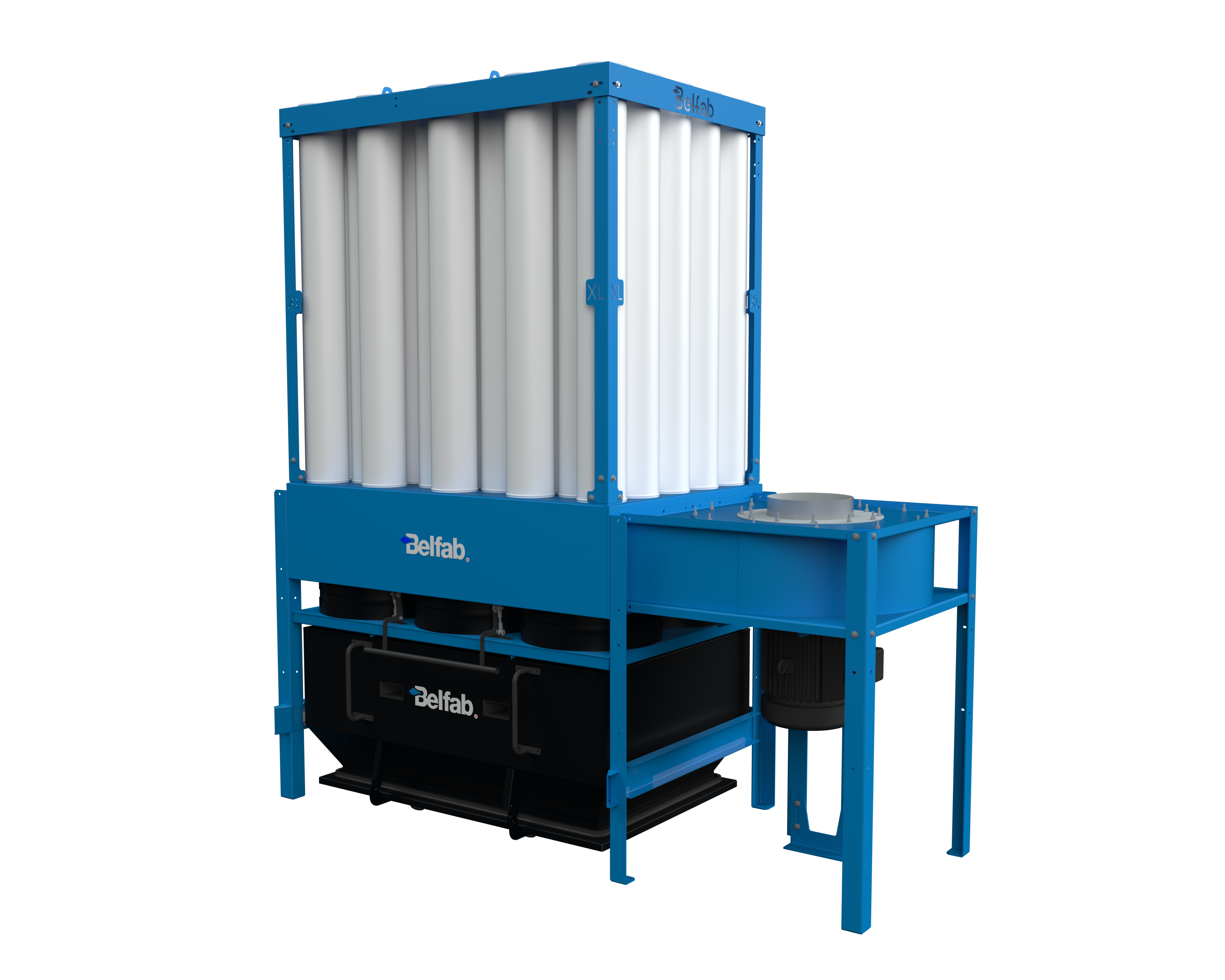
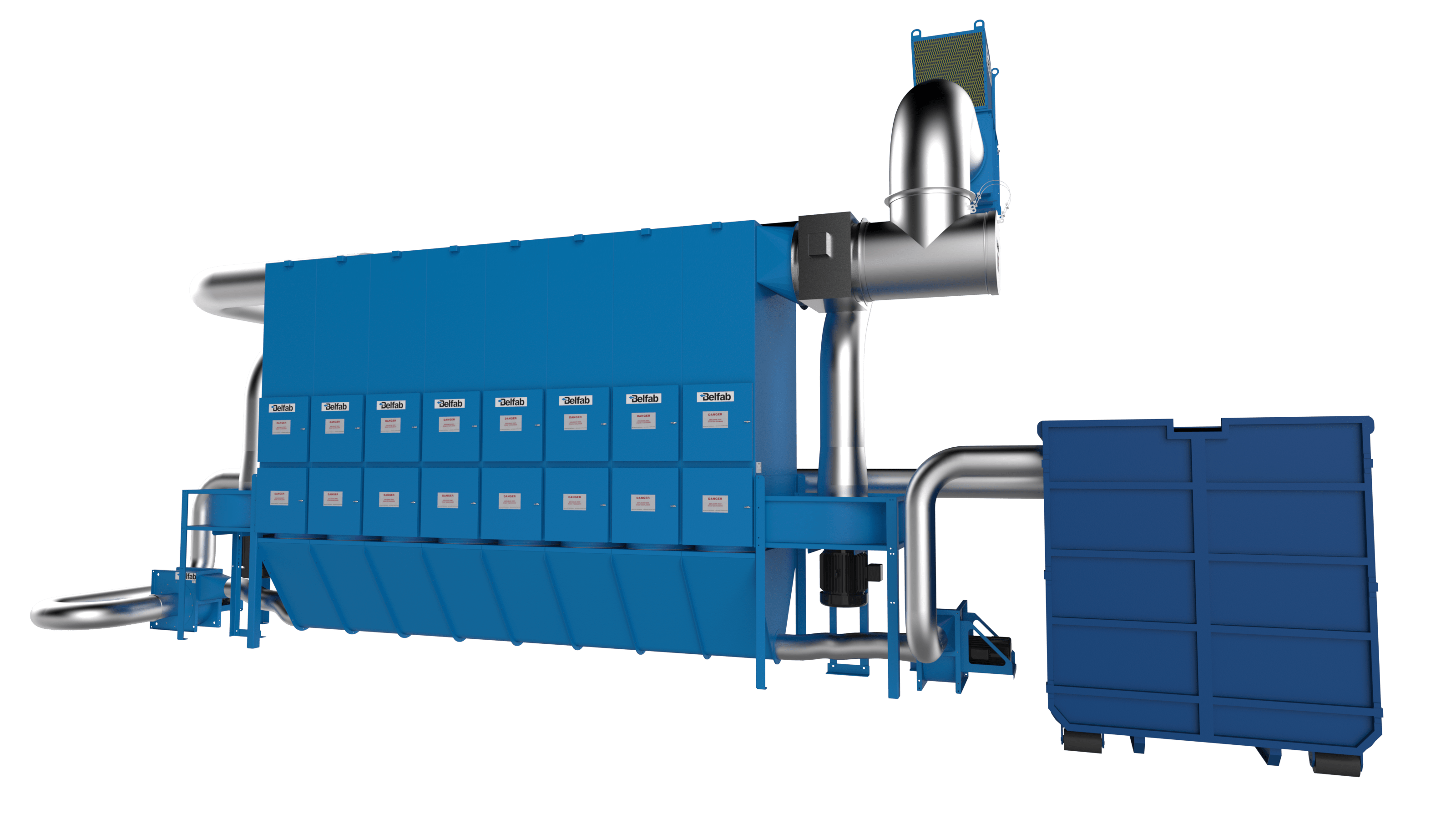
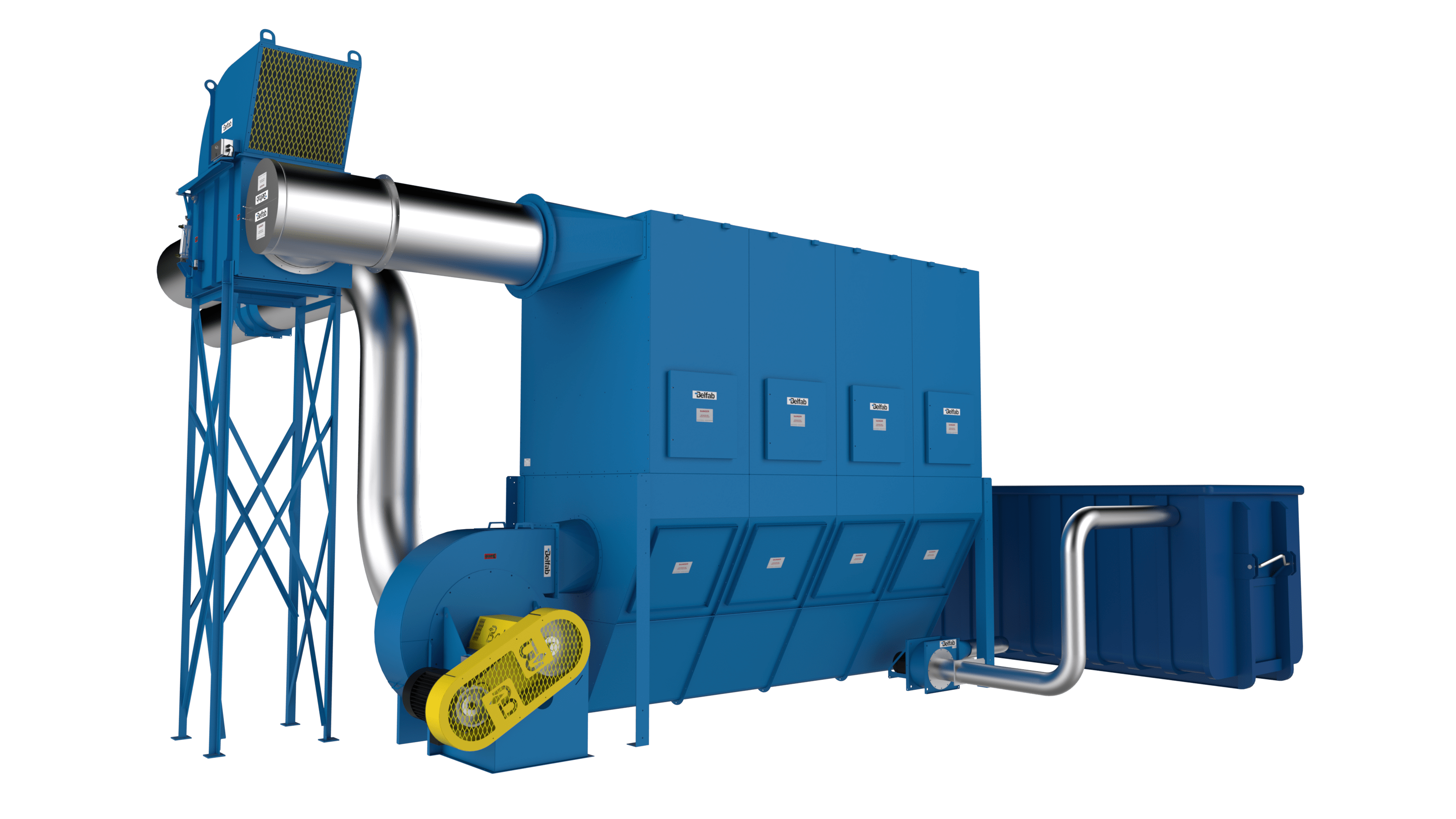
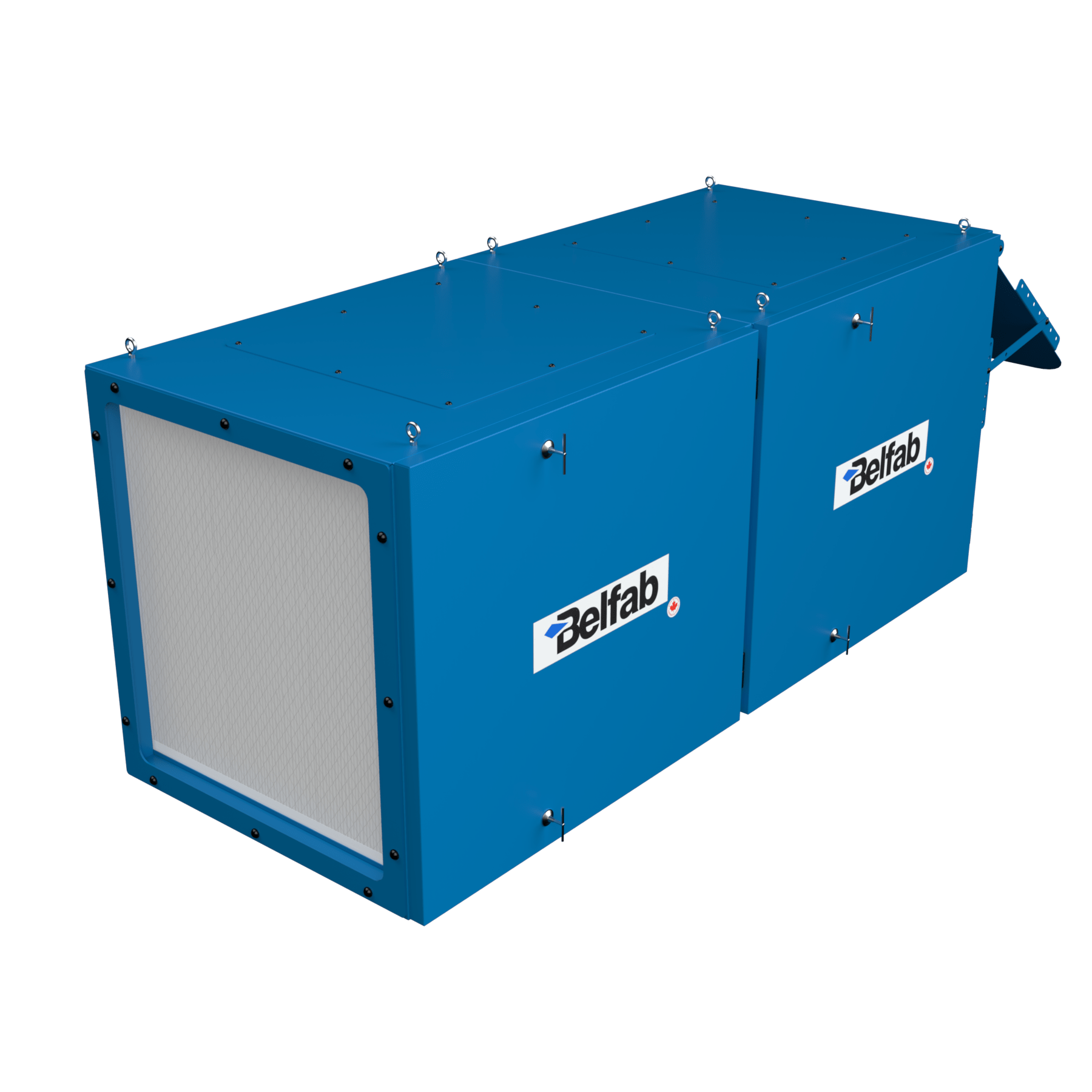
To effectively control and minimize wood dust in woodworking environments, Belfab offers advanced dust collection systems specifically designed for woodworking applications.
Our dust collectors are equipped with high-efficiency filters and powerful suction capabilities, ensuring efficient collection of wood dust at its source.
Implementing a Belfab dust collection system in your woodworking facility will not only help protect the health of your workers, reduce the risk of fire hazards associated with the accumulation of combustible wood dust , but will also improve the longevity and efficiency of your equipment.