Composite Transformation
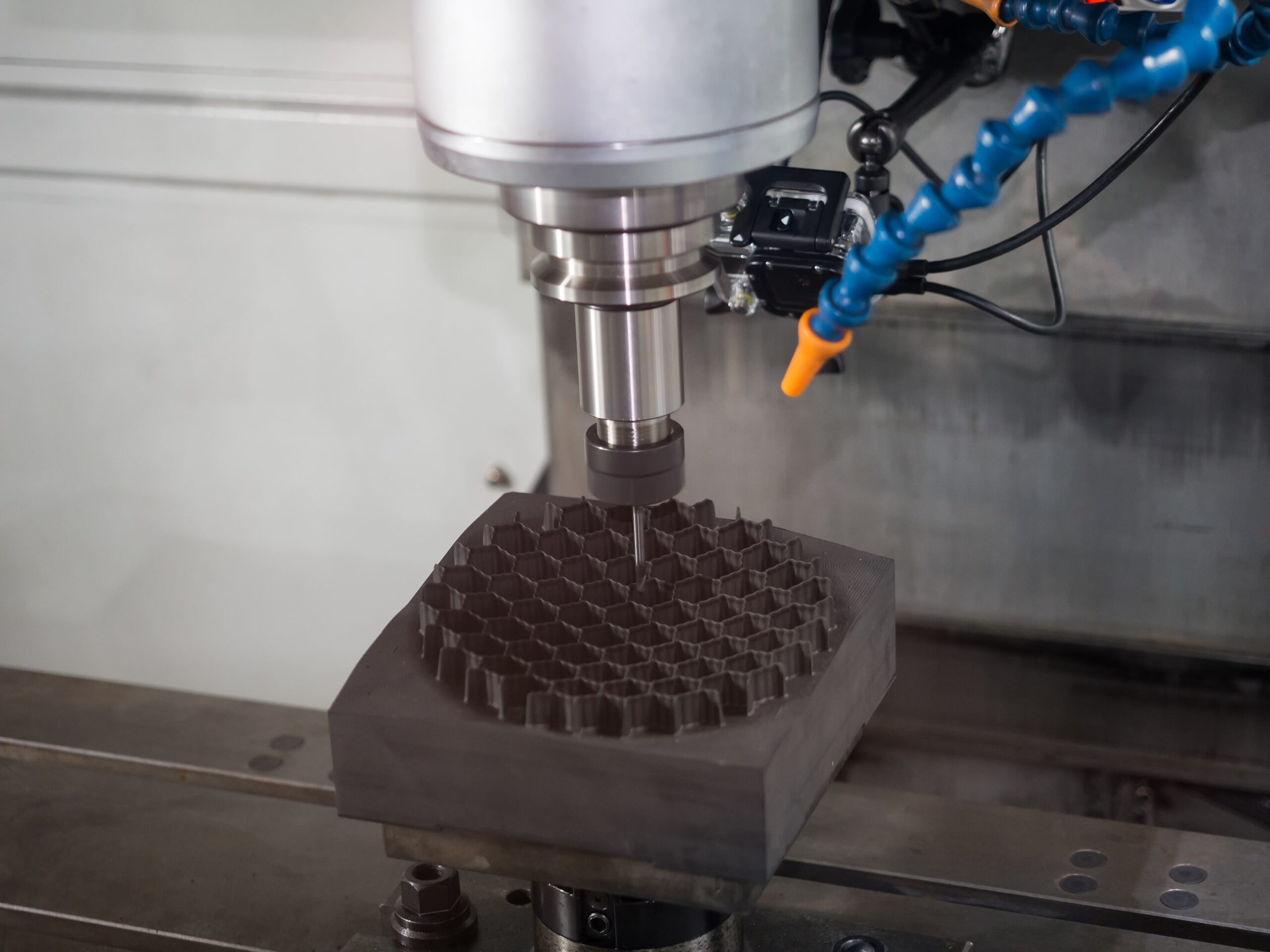
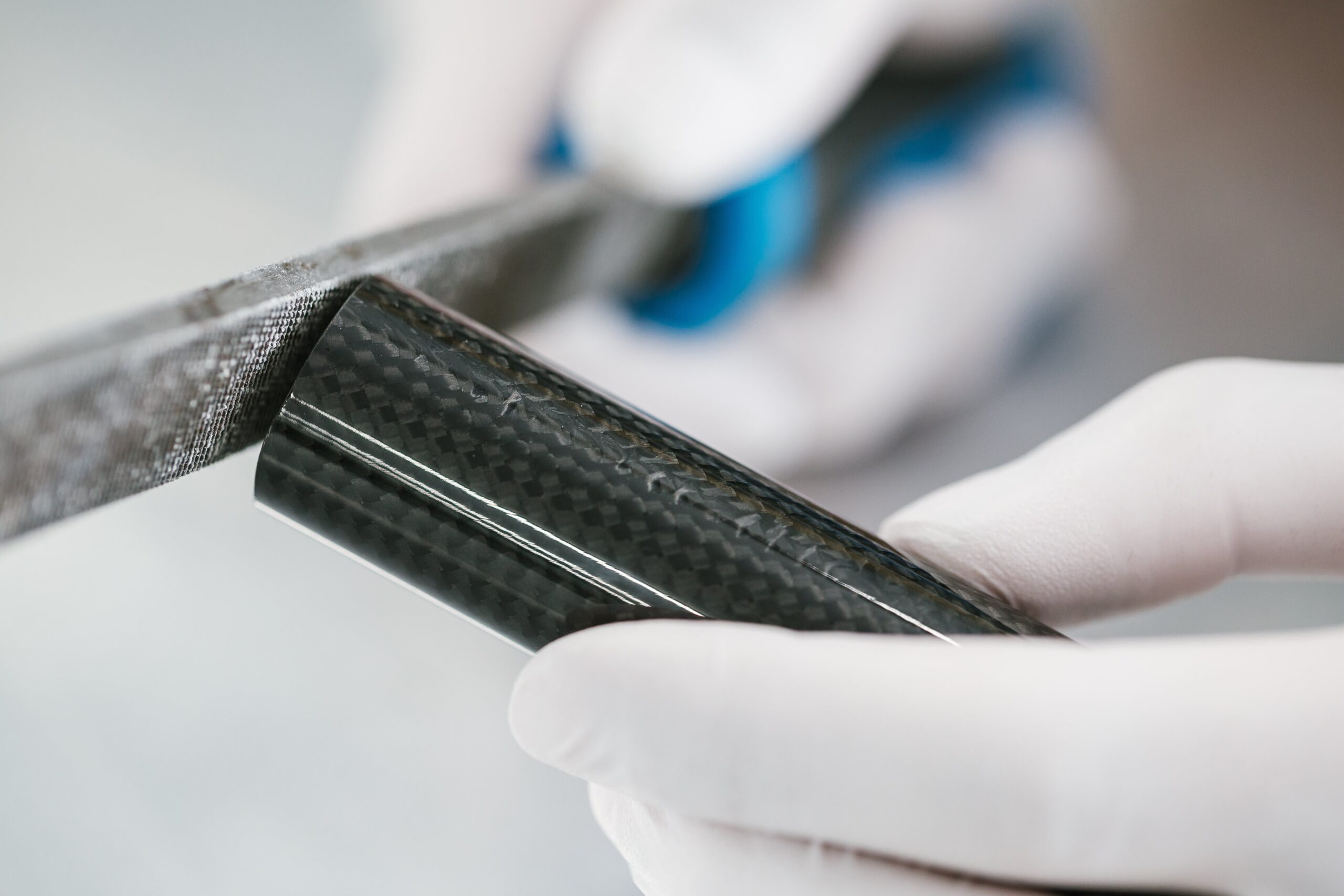
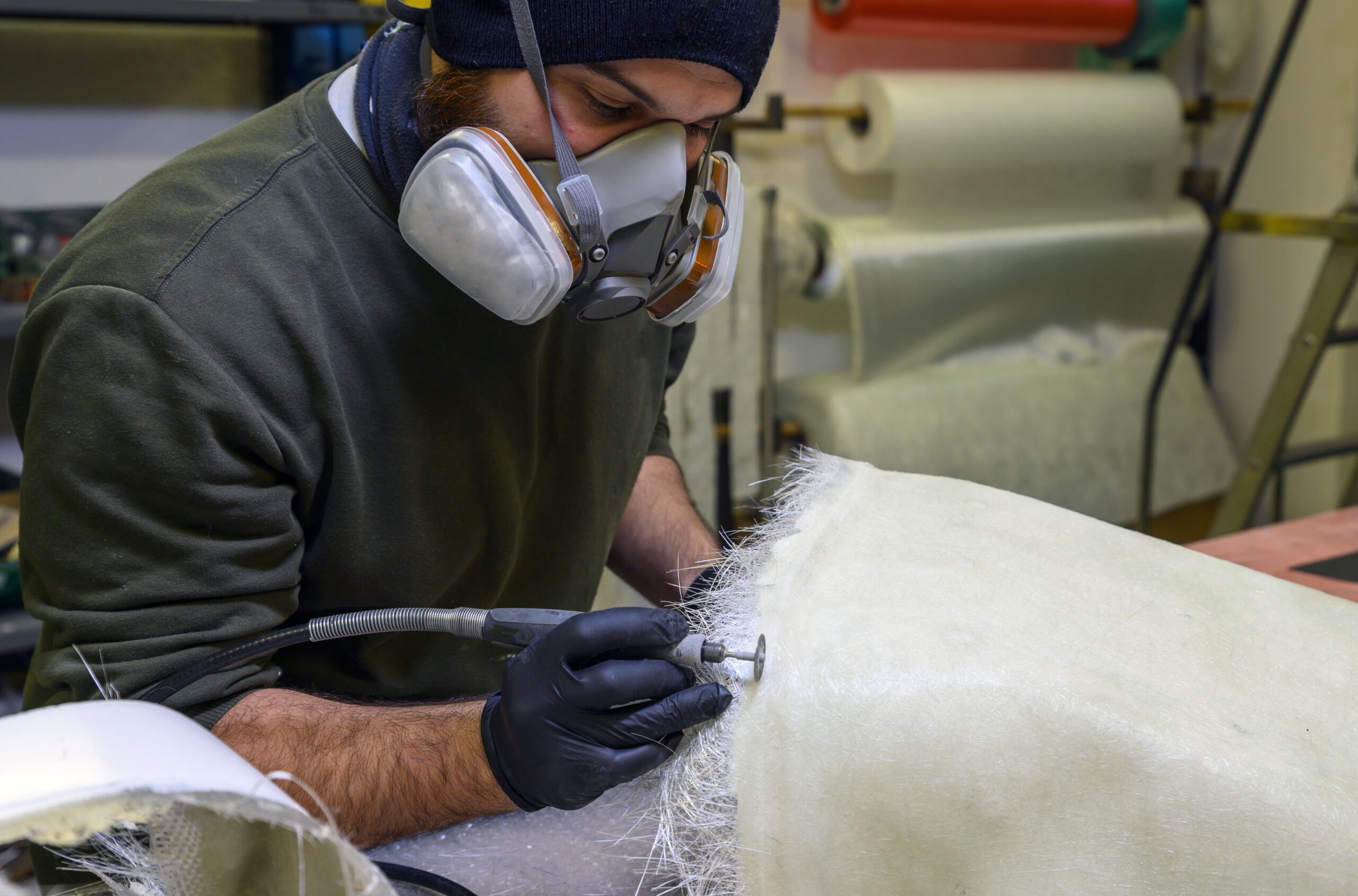
Composite transformation involves the manufacturing or processing of composite materials, which are made by combining two or more different materials to create a stronger and more lightweight product. This process often involves cutting, shaping, sanding, and other operations that generate dust and potentially hazardous dust.
The type of dust generated during composite transformation can vary depending on the specific materials being used. Common composite materials include carbon fiber, fiberglass, resins, and adhesives, which can release fine particles during processing.
Exposure to dust and fumes generated during composite transformation processes can pose health risks to workers if proper control measures are not in place. The specific health hazards associated with composite transformation depend on the materials being used and the specific processes involved.
Inhalation of composite dust particles can lead to respiratory irritation, allergies, and potentially more severe respiratory conditions. Additionally, some composite materials and processes can release volatile organic compounds (VOCs), which can cause eye and throat irritation, headaches, and may have long-term health effects.
While there may not be specific NFPA regulations directly addressing composite transformation dust and fumes, it is essential to consider relevant regulations and guidelines to ensure the safety of workers and the overall process. NFPA 654: Standard for the Prevention of Fire and Dust Explosions from the Manufacturing, Processing, and Handling of Combustible Particulate Solids provides guidance for managing combustible dust hazards in various industries, including those involving composite transformation operations.
Depending on the specific materials and processes involved, regulations related to hazardous materials, ventilation, and personal protective equipment (PPE) may apply. It is crucial to comply with applicable regulations, such as those from OSHA (Occupational Safety and Health Administration) and other local authorities, to minimize health and safety risks.
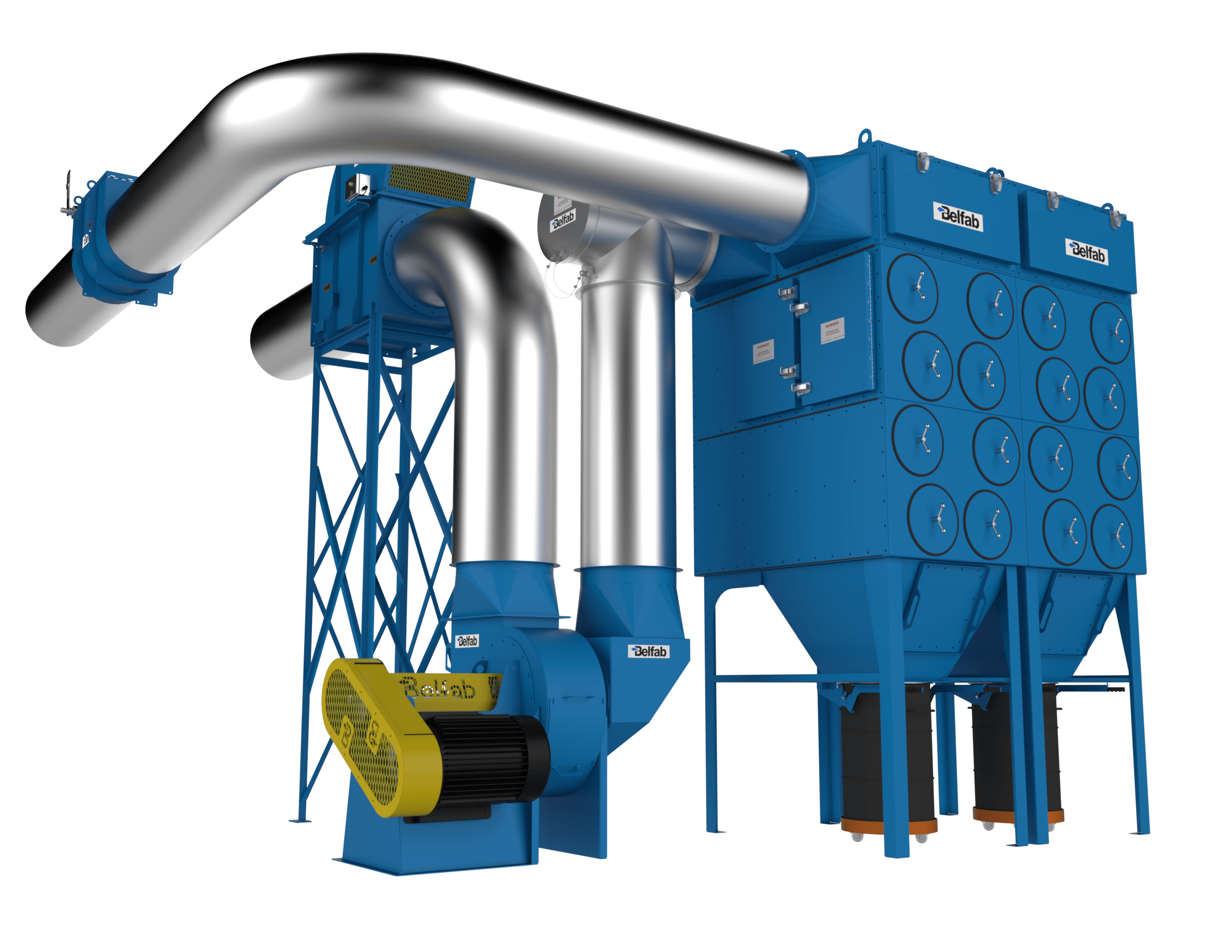
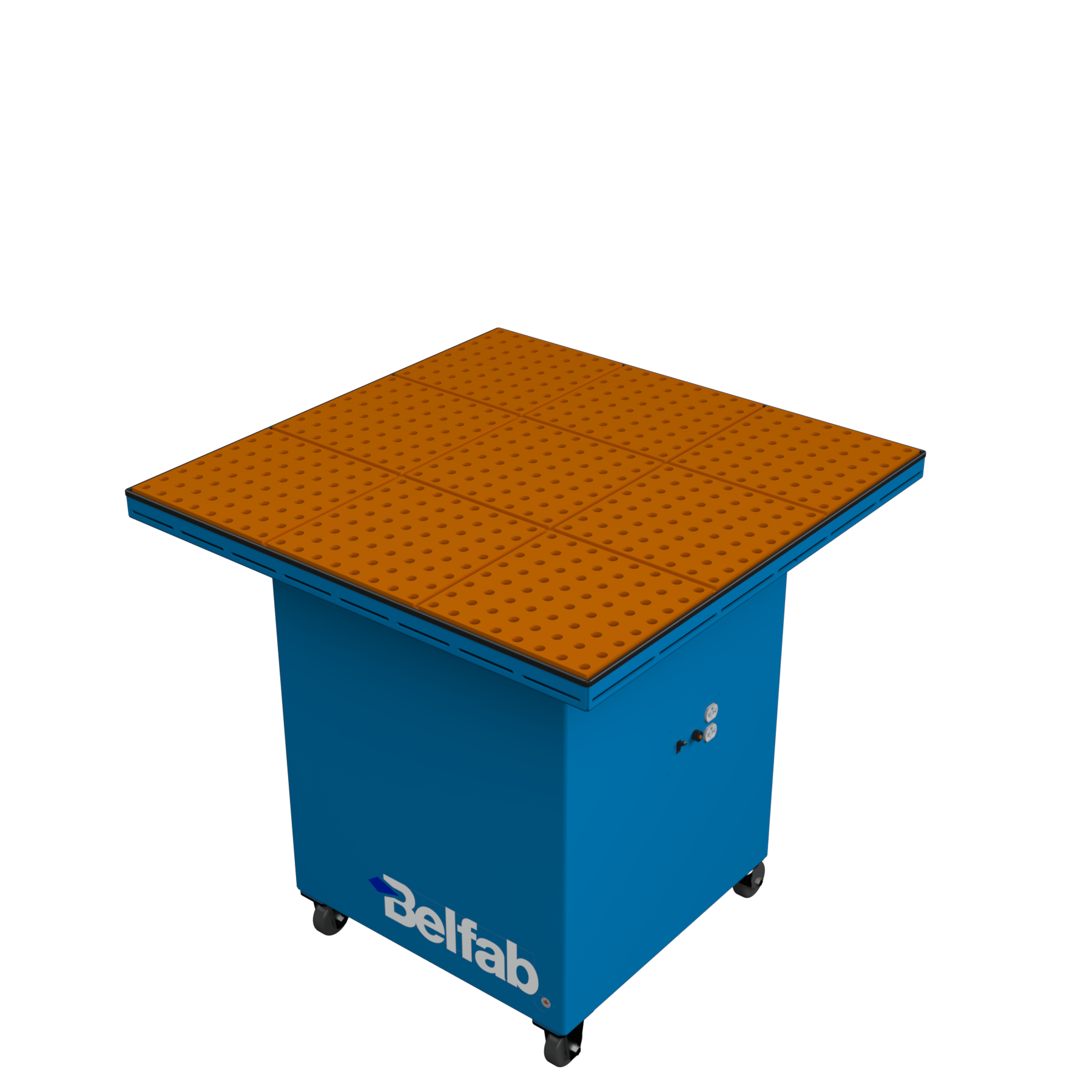
To effectively control and minimize dust and fumes generated during composite transformation processes, Belfab offers advanced dust and fume collection systems specifically designed for composite applications.
Our collectors utilize powerful suction and filtration technologies to capture and remove dust particles and harmful fumes at their source.
By implementing a Belfab dust/fume collector, you can effectively protect the health and well-being of your workers, ensure compliance with regulations, and maintain a clean and safe working environment during composite transformation processes.