
The A/C Ratio represents the amount of air (in cubic feet per minute - CFM) that passes through one square foot of filter media in a dust collector. It is a key factor in determining the sizing and effectiveness of the dust collection system.
The formula for calculating the A/C Ratio is straightforward:
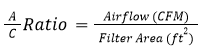
- Airflow (CFM): The volume of air that the dust collector is capable of handling per minute.
- Filter Area (ft²): The total surface area of the filter media within the dust collector.
Maintaining an optimal A/C Ratio is crucial for several reasons:
- Filtration Efficiency: Proper A/C Ratios ensure effective filtration, capturing a high percentage of dust particles.
- Energy Consumption: Well-designed systems with a balanced A/C Ratio can reduce energy consumption, optimizing the dust collector's performance.
- Filter Life: The A/C Ratio influences the lifespan of filter media. A balanced ratio promotes longer filter life.
- Prevention of System Issues: Incorrect A/C Ratios can lead to issues like filter clogging, increased pressure drop, and decreased system performance.
- Application Specifics: Different applications may require different A/C Ratios. Consider the type and size of dust particles, as well as the characteristics of the dust being collected.
- Filter Media Selection: Choose filter media with the appropriate efficiency and configuration for the application.
- Variable Conditions: Account for variations in dust load and operating conditions. Systems should be designed to handle peak loads.
- Regular Monitoring: Periodically check and monitor the A/C Ratio to ensure it remains within the recommended range for optimal performance.
- Typical A/C Ratios:
- General ventilation systems: 4:1 to 6:1
- Woodworking applications: 6:1 to 8:1
- Metalworking applications: 8:1 to 10:1
- Consult Manufacturer Guidelines: Follow the manufacturer's recommendations for the specific dust collector model and filter media.
- Adjustments and Modifications: If the A/C Ratio deviates from the optimal range, consider adjustments or modifications to maintain efficiency.