Welding


Welding is a common industrial process used for joining metals together. During welding, high temperatures are applied to metal surfaces, causing the release of fumes and gases. These fumes consist of various metallic oxides, particulate matter, and potentially harmful gases, depending on the materials being welded and the contaminants that could unwillingly be on the parts.
Different welding techniques, such as MIG (Metal Inert Gas), TIG (Tungsten Inert Gas), or arc welding, produce distinct types of welding fumes. It is essential to understand the specific dust and fume composition to implement effective control measures.
Exposure to welding fumes can pose significant health risks to welders and those working in the vicinity. The composition of welding fumes varies depending on the materials being welded, but common hazards include metal fume fever, respiratory issues, and long-term health complications.
Welding fumes often contain toxic metals, such as chromium, nickel, and manganese. Inhalation of these fumes can lead to acute symptoms, including irritation of the respiratory system, coughing, and chest discomfort. Prolonged exposure to welding fumes without proper protection and control can result in chronic health problems, including lung damage, lung cancer, and neurological disorders.
The NFPA has established specific regulations and guidelines to address the hazards associated with welding operations. NFPA 51B: Standard for Fire Prevention During Welding, Cutting, and Other Hot Work provides recommendations for fire prevention and safety in welding environments.
While NFPA 51B primarily focuses on fire prevention, it indirectly emphasizes the importance of controlling welding fumes to mitigate potential fire hazards.
Compliance with these NFPA regulations, along with relevant industry guidelines and local requirements, is crucial to ensure the safety of workers and the overall welding operation.
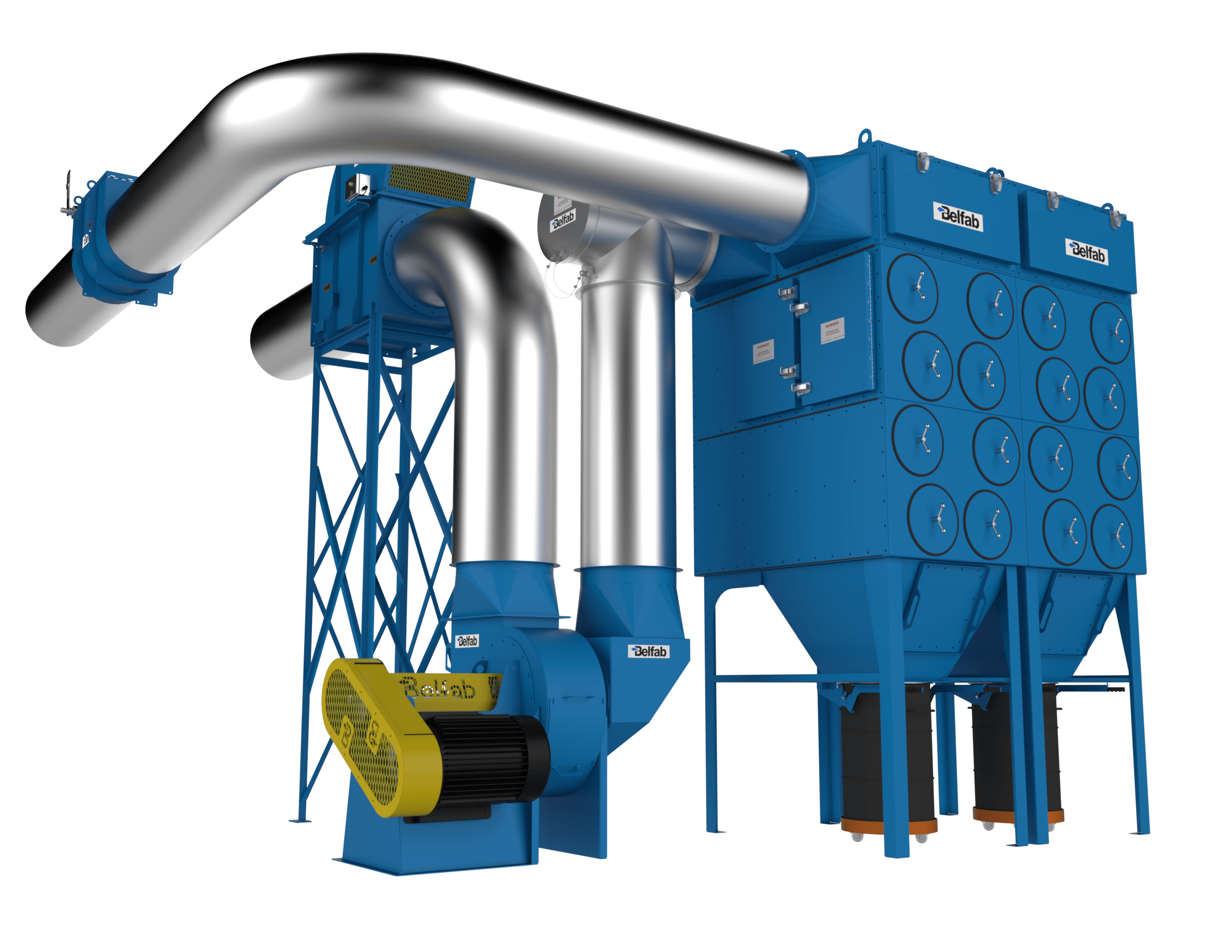
To effectively control and remove welding fumes, Belfab offers advanced fume collection systems designed specifically for welding applications.
Our dust and fume collectors utilize powerful suction and filtration technologies to capture and contain welding fumes at the source.
Implementing a Belfab dust/fume collector in your welding facility will help safeguard the health and well-being of your welders, minimize exposure to hazardous fumes, and maintain a safer working environment.